
₦5 million. 10 million. ₦15 million. Somehow, wedding budgets in Nigeria can start with one figure and end up looking like an entirely different financial plan.
It often begins innocently enough. You find a beautiful venue, get excited about the outfits, and start saving ideas for your reception. Then the vendor quotes arrive. Catering has its own budget. Photography is a separate expense. The outfits, makeup, decorations, drinks, and transportation all need their own line items. And just when you think you have accounted for everything, another expense appears.
So, what is the wedding cost in Nigeria in 2026? And more importantly, how do you work out a realistic budget without spending blindly or sacrificing everything you hoped your day would be?
The answer depends on your guest count, location, cultural requirements, and the kind of celebration you have in mind. A small, intimate ceremony can cost significantly less than a large traditional wedding or an elaborate reception in Lagos. No single price fits every couple, but understanding the major expenses can help you plan with more confidence.
Let’s get into the numbers.
Wedding Cost in Nigeria in 2026: What Should You Expect?
To estimate your wedding cost in Nigeria, start by deciding how many guests you plan to invite, where you’ll celebrate, and which expenses matter most to you. As a broad guide, your wedding budget may fall within these ranges:
| Type of wedding | Estimated budget |
|---|---|
| Small, simple or intimate wedding | ₦5 million – ₦10 million |
| Modest wedding with selected professional vendors | ₦10 million – ₦20 million |
| Mid-range wedding | ₦20 million – ₦35 million |
| Large or elaborate wedding | ₦35 million – ₦50 million |
| Luxury wedding | ₦50 million and above |
These are broad planning estimates, not guaranteed prices or official national averages. A very small ceremony may cost less, while a traditional wedding with extensive family requirements may exceed the ranges above. Costs also vary by city and even by neighbourhood within the same city.
For example, a wedding in Lagos with a premium venue, professional catering, and elaborate décor will usually require a different budget from an intimate celebration in a family compound or a more affordable venue in another city.
The best way to estimate your own wedding cost is to start with your guest count, location, and the type of celebration you want.
For a more detailed look at current wedding expenses, see Owambe Planner’s 2026 Nigerian wedding cost breakdown, which explores typical costs by wedding style, guest count, and vendor category.
A Realistic Wedding Budget Breakdown for 2026
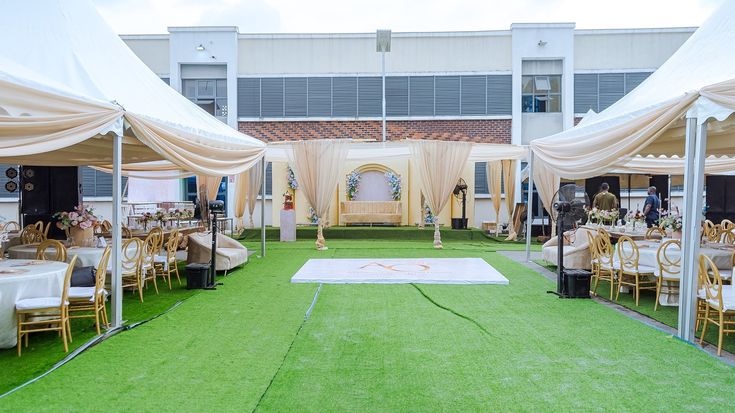
Let’s make this practical. Imagine you’re planning a wedding in Lagos for approximately 150 guests. You want a proper venue, professional photography and videography, catering, entertainment, outfits for both partners, and a reception that feels special without being extravagant.
Even with a relatively small guest list, the expenses can add up quickly. Food and drinks alone can take a substantial share of the budget, while venue styling, professional vendors, and the couple’s outfits add considerably more.
The following estimates illustrate what a 150-guest celebration might cost in 2026. Use them as a starting point for your own calculations, then request current quotations from vendors in your chosen location. Prices will vary depending on the services included, the quality of the package, and your wedding date.
1. Shared wedding expenses
These are expenses that couples commonly plan for together. You can decide whether to split them equally, divide them by income, or have one partner cover specific categories
| Expense | Estimated cost |
|---|---|
| Marriage ceremony fees | ₦50,000 – ₦100,000 |
| Venue hire | ₦400,000 – ₦600,000 |
| Food catering for 50 guests | ₦500,000 – ₦800,000 |
| Bottled water, soft drinks & mocktails/cocktails | ₦200,000 – ₦350,000 |
| Wine and other alcoholic drinks | ₦150,000 – ₦200,000 |
| Small chops & Desserts | ₦150,000 – ₦400,000 |
| Venue decoration and styling | ₦300,000 – ₦700,000 |
| Wedding photography | ₦300,000 – ₦500,000 |
| Wedding videography | ₦250,000 – ₦350,000 |
| Wedding cake | ₦100,000 – ₦180,000 |
| DJ and sound | ₦150,000 – ₦300,000 |
| Master of ceremonies (MC) | ₦100,000 – ₦200,000 |
| Chairs & Tables hire | ₦100,000 – ₦180,000 |
| Printed invitation and stationery | ₦150,000 – ₦200,000 |
| Event lighting, setup and operation | ₦150,000 – ₦450,000 |
| Generator or backup power | ₦85,000 – ₦180,000 |
| Logistics | ₦84,500 – ₦150,000 |
| Estimated shared expenses | ₦3,219,500 – ₦5,840,000 |
Notice how many separate expenses sit behind what might initially sound like a simple reception. Even drinks, stationery, and furniture can become meaningful budget items when you start collecting quotes.
For catering, always confirm the cost per guest, menu, delivery, serving staff, and any additional charges. A quote that appears affordable at first may not include everything you need.
Also, check whether your venue fee includes chairs, tables, power supply, or cleaning. If these are included, you may be able to remove some costs from your budget rather than pay for them twice.
2. The bride’s wedding expenses
The bride’s budget can include more than the wedding dress. If you plan to wear both a white wedding outfit and traditional attire, remember to account for each separately.
| Expense | Estimated cost |
|---|---|
| White wedding dress | ₦250,000 – ₦400,000 |
| Traditional wedding outfit (*fabric inclusive) | ₦200,000 – ₦400,000 |
| Bridal makeup | ₦100,000 – ₦150,000 |
| Hairstyling | ₦80,000 – ₦100,000 |
| Gele styling | ₦30,000 – ₦50,000 |
| Bridal shoes | ₦50,000 – ₦150,000 |
| Jewellery | ₦50,000 – ₦100,000 |
| Other bridal accessories | ₦50,000 – ₦100,000 |
| Estimated bride’s expenses | ₦800,000 – ₦1,400,000 |
These figures assume relatively modest choices. Designer dresses, custom-made outfits, multiple outfit changes, luxury accessories, and bridal beauty packages can push the total much higher.
Before paying a deposit, confirm what your makeup artist or stylist includes. Trials, travel fees, early-morning call-outs, and extra looks may attract separate charges.
3. The groom’s wedding expenses
The groom’s expenses deserve their own section too. They can include a suit, traditional attire, footwear, grooming, and accessories.
| Expense | Estimated cost |
|---|---|
| White wedding suit | ₦150,000 – ₦300,000 |
| Traditional wedding outfit (*fabric inclusive) | ₦200,000 – ₦250,000 |
| Wedding shoes | ₦100,000 – ₦150,000 |
| Grooming products & services | ₦50,000 – ₦100,000 |
| Accessories | ₦100,000 – ₦200,000 |
| Estimated groom’s expenses | ₦600,000 – ₦1,000,000 |
The groom’s outfit can also cost considerably more if it involves premium fabrics, custom tailoring, elaborate embroidery, or several outfit changes.
4. Contingency and wedding planning tools
Here are two more expenses to consider before settling on your final figure.
| Expense | Estimated cost |
|---|---|
| Contingency fund (approximately 10%) | ₦322,000 – ₦829,850 |
| Nuptly three-month wedding plan | ₦58,500 |
A contingency fund gives you some breathing room when prices change, a vendor introduces an additional fee, or you need to make a last-minute adjustment. It is better to set this money aside from the beginning than to depend on finding extra funds at the last minute.
The Nuptly plan is an optional digital planning expense. At ₦58,500, it gives couples access to tools that can help organise their wedding planning, including a full checklist, budget planner, guest list and RSVP tracking, timeline scheduler, basic wedding website and vendor messaging.
What is the total for this example?
For the 150-guest Lagos wedding outlined above, the estimated total is approximately:
₦5 million–₦9.13 million, including the contingency fund and Nuptly’s ₦58,500 three-month plan.
This is an illustrative budget, not a vendor quotation. It assumes one main celebration and excludes a separate traditional engagement ceremony, customary family gifts, a full-service wedding planner, accommodation, honeymoon, aso-ebi for guests, and other family-specific requirements. Those items can increase the total significantly.
The point is not that every couple should spend this amount. It is that even a relatively modest celebration can involve many individual costs, so it is worth accounting for them before committing to vendors.
What Makes Nigerian Weddings So Expensive?
If you have looked at wedding budgets recently, you may have noticed that a few categories tend to consume a large share of the money.
1. The guest list
Every additional guest can affect your food, drinks, seating, invitations, and sometimes venue size. If you are working with a limited budget, agreeing on your guest count early can help you avoid a chain reaction of additional expenses.
It is also worth agreeing on how guest invitations will be handled by both families. Last-minute additions can be difficult to accommodate without increasing your costs.
2. The venue
Your venue affects more than the amount you pay to book the space. Location, capacity, accessibility, parking, power supply, and rental inclusions all matter.
Before booking, compare at least a few venues and ask for a full breakdown of what is included. A cheaper venue may require you to rent furniture or arrange additional services, while a more expensive one might already include some of those items.
3. Food and drinks
Food is an important part of many Nigerian celebrations, and catering costs can rise quickly as the guest list grows. Your menu, number of courses, protein options, drinks, and serving arrangements all influence the final amount.
You can still serve a delicious meal without choosing the most expensive menu. Decide what matters most to you and request comparable quotations from different caterers. Before settling on your catering budget, compare estimated per-plate prices and additional charges in this 2026 guide to wedding catering costs in Lagos.
4. Outfits and beauty services
It is easy to underestimate the combined cost of the bride’s dress, traditional attire, shoes, makeup, hair, gele, accessories, and the groom’s outfits.
Set a total clothing and beauty budget before shopping. This gives you room to prioritise the pieces you love most instead of making separate purchases without considering their combined cost.
5. Décor and entertainment
Beautiful décor can transform a venue, but elaborate floral arrangements, custom installations, lighting and stage designs can quickly increase the bill. The same applies to live bands, premium DJs and high-profile MCs.
You do not need every possible feature. Choose the elements that will have the greatest impact on your experience and spend accordingly.
6. Traditional and family requirements
Depending on your culture and family arrangements, a Nigerian wedding may involve a traditional engagement, customary gifts, specific clothing, family contributions, and other ceremony-related expenses.
These costs vary widely, so discuss expectations with your families early. If you are planning both a traditional and a white wedding, create a separate budget for each celebration rather than assuming everything will fit into one reception budget.
How to Plan a Nigerian Wedding on a Budget Without Losing the Magic
A smaller budget does not mean you have to settle for a celebration that feels impersonal. It means deciding where your money will make the biggest difference.
1. Agree on your maximum budget first
Before booking a venue or falling in love with a vendor’s package, agree on the amount you can realistically afford.
Include contributions from family members only when they have been clearly confirmed. Avoid making commitments based on money you hope to receive later.
2. Prioritise your non-negotiables
Sit down together and identify the three to five things that matter most to you. It could be great food, beautiful photographs, a meaningful ceremony, a particular outfit, or an intimate guest list.
Once those priorities are clear, you can make more confident decisions about where to spend less.
3. Keep your guest list intentional
You do not have to invite everyone you have ever met. Start with the people you genuinely want to share the day with, then work within your agreed capacity.
If both families are contributing to the wedding, discuss how guest invitations will be allocated before the list grows beyond your budget.
4. Compare vendors before making a commitment
Do not choose a vendor based on a social media photo or a headline price alone. Ask about the full package, additional fees, payment terms, cancellation policy, and delivery expectations.
Compare vendors using the same requirements so you can see which option offers the best fit for your budget and priorities.
5. Consider what you can handle yourselves
Not every wedding task requires a paid professional. Depending on your time, skills, and preferences, you may be comfortable managing digital invitations, tracking RSVPs, maintaining your budget, organising your checklist, or creating your wedding website yourself.
However, be realistic about your capacity. Tasks that require specialist skills, equipment, experience, or coordination on the wedding day may be worth paying a professional to handle.
DIY planning should help you make informed choices, not leave you overwhelmed or responsible for everything at once.
6. Choose your date and venue strategically
Ask venues and vendors about their pricing for different dates and days of the week. If your schedule is flexible, compare those options rather than assuming every date costs the same.
Also consider accessibility and transport for your guests. A venue that looks affordable may create additional costs if everyone needs complicated transport arrangements.
7. Track every expense
Record your estimated cost, actual quotation, amount paid, outstanding balance, and payment deadline for every item.
This is especially important when you are dealing with several vendors at once. Small deposits and remaining balances can be easy to forget when they are scattered across messages, receipts, and spreadsheets.
8. Keep a contingency fund
Try to reserve around 10% of your working budget for unexpected expenses. If your budget is already tight, make sure your main costs are covered before adding optional extras.
If you do not use the contingency fund, that is a good problem to have. You can decide whether to save the money or put it towards another priority.
How Nuptly Helps You Keep Your Wedding Budget Under Control
Knowing how much a wedding might cost is one thing. Keeping track of every expense, payment, and outstanding balance as you plan is another.
You might set aside ₦5 million for your wedding, but between venue deposits, vendor balances, outfit payments, and unexpected expenses, it can quickly become difficult to know exactly how much you’ve spent, how much you still owe, and whether you’re staying within your budget.
This is one of the biggest challenges Nuptly was built to help couples solve.
A Wedding Budget Tracker That Does More of the Work for You
Rather than managing your wedding finances across notebooks, spreadsheets, and scattered payment records, Nuptly gives you a dedicated budgeting tool that helps you organise your expenses and keep track of your spending in one place.
Here’s how it works:
- Set your wedding budget: Start with the total amount you’re comfortable spending on your wedding. You can adjust your budget as your plans and priorities change.
- Organise your expenses: Add individual expenses to your budget, from venue hire and catering to outfits, photography, and decorations. This gives you a clearer picture of where your money is going.
- Track payments automatically: As you record expenses and update their payment status, Nuptly helps you keep track of what you’ve paid and what remains outstanding. You can mark expenses as unpaid, deposited, or paid, making it easier to distinguish between an initial deposit and a completed payment.
- See how much you have left: Instead of repeatedly calculating your spending manually, use your budget overview to understand how much has been spent and how much remains available. This makes it easier to decide whether you can afford an additional expense or need to make adjustments elsewhere.
- Monitor your spending visually: With expense tracking and visual breakdowns, including pie charts, you can see how your spending is distributed across different categories. You can also identify when your expenses are within budget, below budget, or exceeding your planned limits.
- Keep vendor details alongside expenses: Link vendors to the relevant expenses and record their details, so your budget isn’t just a list of figures. You can see which vendors are associated with particular costs while keeping the financial side of your wedding organised.
The real advantage is having these details connected. When you add expenses, record payments, and update your plans, you have a clearer, more current picture of your wedding finances without having to rebuild your calculations every time something changes.
More Than a Budget Spreadsheet
A spreadsheet can help you list expenses, but keeping it accurate often depends on remembering to update figures, recalculate balances, and check whether your spending still aligns with your original plan.
Nuptly helps simplify that process by bringing your budget, expense records, payment statuses, and spending breakdowns together. Instead of trying to remember every payment you’ve made, you can refer to your tracker and make decisions based on a clearer view of your finances.
And because wedding plans change, you’re not locked into your first budget. You can adjust your figures, add new expenses, and review your spending as you go.
Alongside the budget tracker, Nuptly offers other digital wedding-planning tools, including a wedding checklist, guest list and RSVP management, a wedding website, scheduling, and vendor discovery. These tools help you organise other parts of your celebration while your budget tracker helps you stay on top of the financial side.
Nuptly’s three-month plan costs ₦58,500 and provides access to these planning tools, helping you manage your wedding in one place rather than juggling multiple systems. You can explore the available plans and features on our pricing page.
And remember, the three-month plan refers to the duration of your Nuptly access, not a requirement to get married within three months. You can explore the available planning tools and decide whether the plan suits your needs. Nuptly does not replace every professional wedding service, and the subscription itself is an additional cost to factor into your budget. However, if you’re comfortable managing parts of your wedding yourself, having your planning tasks, expenses, and important information organised in one place can make the process easier to navigate.
Your wedding budget shouldn’t be another source of stress. With a clearer view of your expenses, payments, and remaining funds, you can make more informed decisions, prioritise what matters most to you, and plan a celebration that works for your finances.
Frequently Asked Questions About Wedding Costs in Nigeria
How much does a small wedding cost in Nigeria in 2026?
A small wedding may cost from around ₦5 million to ₦10 million, depending on the guest count, location, ceremony requirements, and how much you handle yourself. A celebration with a hired venue and several professional vendors may require a larger budget. Always calculate your own costs rather than relying on a general range.
Can I plan a wedding in Nigeria with ₦5 million?
It may be possible to plan a modest wedding with ₦5 million, particularly if you keep the guest list small, choose an affordable venue, limit optional extras, and manage some tasks yourself. However, the amount may not cover every expense for a traditional and white wedding, especially in a high-cost area. List your essential expenses and obtain current quotations before deciding.
What is the most expensive part of a Nigerian wedding?
Venue hire, catering, décor, and outfits can take up a substantial portion of a wedding budget. The largest expense will depend on your guest count, location, and preferences. For some couples, catering is the highest cost; for others, it may be the venue, décor, or traditional wedding requirements.
How can couples reduce wedding expenses?
Start with a realistic budget, keep the guest list within your capacity, compare vendors, prioritise the elements that matter most, and manage suitable tasks yourselves. Review what each vendor’s package includes so you can avoid duplicate charges, and keep money aside for unexpected expenses.
Is hiring a wedding planner necessary?
Not every couple needs a full-service wedding planner. Some couples prefer to manage their own planning, while others benefit from professional help because of the complexity of their event, limited time, or multiple ceremonies. You may also consider hiring a coordinator for the wedding day while handling more straightforward planning tasks yourself.
Is Nuptly worth including in my wedding budget?
If keeping your wedding expenses organised is a priority, Nuptly may be worth considering. Its budgeting tool helps you set and adjust your budget, track expenses and payment statuses, monitor remaining funds, and visualise how your spending is distributed. You can also organise vendor details alongside expenses and access other digital planning tools, including a wedding checklist, guest list and RSVP management, scheduling, and a wedding website. The three-month plan costs ₦58,500, covering three months of platform access; not a requirement to get married within that period. Consider whether the tools suit your planning needs and whether the subscription fits comfortably within your wedding budget before purchasing.
Final Thoughts: Your Wedding Budget Should Work for You
The wedding cost in Nigeria can be high, but the goal is not to spend the most money or recreate someone else’s celebration. It is to plan a day that reflects you as a couple without losing sight of what you can afford. Plan a day that reflects you as a couple without losing sight of what you can afford.
Start with an honest budget. Account for the little expenses as carefully as the big ones. Talk openly about family expectations, agree on your priorities, and leave room for the unexpected.
Most importantly, remember that your wedding is one day, while your life together continues long after the decorations have been taken down.
Plan thoughtfully, spend intentionally, and create a celebration that feels like yours.